Sandcastle Moisture and Stability
Keep sand damp where it matters and dry where you decorate.
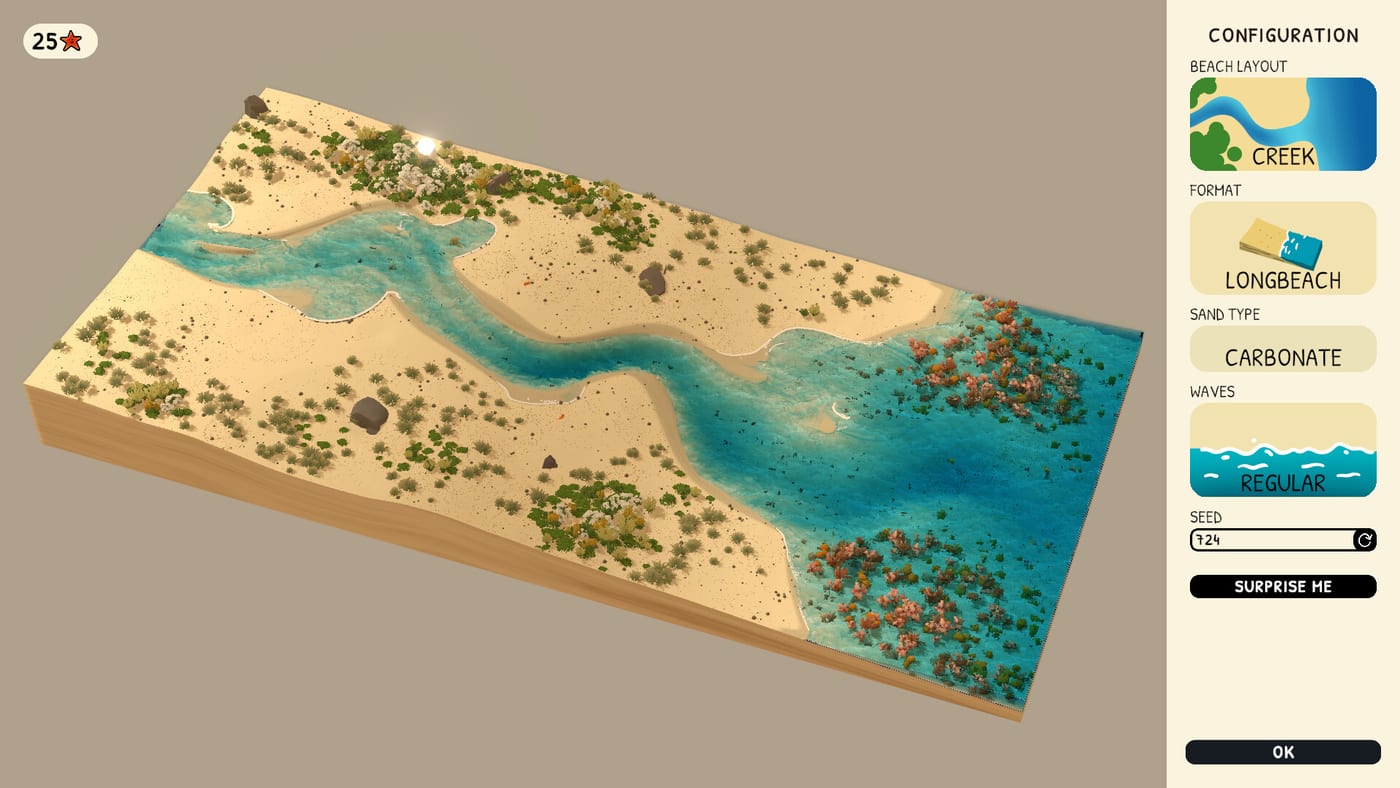
Moisture drives stability
In Sandcastle, moisture content is the hidden stat behind every wall. Wet packed sand coheres; dry sand flows. Bubblebird Studio highlights moisture and pressure on Steam as core simulation pillars alongside Sand Physics. Stability is not a separate RPG attribute—it emerges from how you gather, pack, and expose surfaces.
Wet band gathering
The retreating surf zone offers the best moisture for structural work. On Base Beach, the band is wide—ideal for learning. Barrier Beach forces tighter timing between surges. Gather with Digging Tools from this band before raising height.
Layer packing workflow
Deposit sand in layers, pressing each with additional passes. Waiting briefly between layers lets moisture distribute without letting the core dry completely. Build Strong Walls recommends widening bases before vertical growth.
Drying and exposure
Carving Tools increase surface area, accelerating evaporation under sun and wind phases shown in trailers. Carve detail only after cores survive a tide cycle (Protect From the Tide).
Thin crests dry fastest—merlons fail first in screenshots for a reason.
Water contact
Standing water from poorly drained moats wets toes but may undercut bases as sand slurry erodes. Keep packed berms between moat water at rest and wall toes (Carve Moats).
Starfish sand types
Starfish Collectibles unlock sand type options that may alter cohesion feel. Re-test walls after switching types—cosmetic sand is not automatically stronger.
Stability testing
Build coupon walls—small standalone segments seaward of your keep. Observe which faces dry first during a daylight cycle (Daylight beach imagery). Repair coupons before applying fixes to the main castle.
Decor weight
Shore Treasures like driftwood add minor load on fragile caps. Stage them after stability passes per Building Tips.
Layout differences
Future Lagoon interiors may stay humid longer; Island footprints may dry faster on all azimuths. Demo players should still master moisture on Base and Barrier first.
Checklist tie-in
Tide Defense Checklist includes dry-crest audits—use it before photographing fragile battlements.
Visual dryness cues
Lighter color and crumbling edges when carving indicate dryness. Darker, smoother faces still hold moisture. Train your eye on Base Beach before judging Barrier crests under harsh light.
Night and day phases
Daylight cycling changes readability, not an excuse to ignore moisture. Schedule packing before long AFK photo waits so crests do not dry while paused.
Seasoning time between layers
Think of packed layers like letting wet sand settle before carving. Rushing from lift three to battlements without observing slump cues wastes detail work. Walk the beach, collect a shell, return—micro-breaks mirror real beach building where kids wait for buckets to settle.
Interaction with tide rewetting
Lower walls get rewetted by foam even when crests dry. Sometimes lower repair matters more than upper carving before the next cycle.
Sand type unlock caveat
Starfish sand types may change tactile response while obeying the same rules. Re-run coupon tests after switching types—do not assume identical slump timing.
Children’s bucket analogy
Sandcastle packing mirrors flipping a wet bucket form: one coherent lump survives better than dry poured grains. Keep that mental image when layering towers.
AFK drying trap
Pausing mid-carve while tabbed out to Discord lets crests dry silently. Return with a quick moisture check before assuming your half-finished merlons remain safe.
Closing synthesis
Moisture is the silent stat behind every slump, merlon loss, and toe undercut. Pack wet, carve late, and re-wet lower faces after aggressive tides.
Final notes
Return to related hub pages when patches land—mechanics stay stable but tide timing or tool unlock order may shift in Steam news. Cross-link siblings in this category for moats, collectibles, and physics vocabulary. Pair reading with one in-game tide cycle so abstract advice becomes muscle memory on wet sand.
Frequently Asked Questions
Quick answers drawn from the same systems covered above.
Can I wet sand manually with tools?
Moisture primarily comes from location and water contact, not a separate watering can in store materials.
Why do towers slump overnight?
Long sessions may dry upper sections. Pack from wet band and thicken bases.
Does shade prevent drying?
Overhangs may slow drying slightly but do not replace mass.
Is there a moisture meter UI?
No dedicated meter is advertised. Learn visual and tactile cues from erosion outcomes.
Do tides re-wet walls?
Foam contact rewets lower faces; upper dry crests may stay brittle unless packed damp.